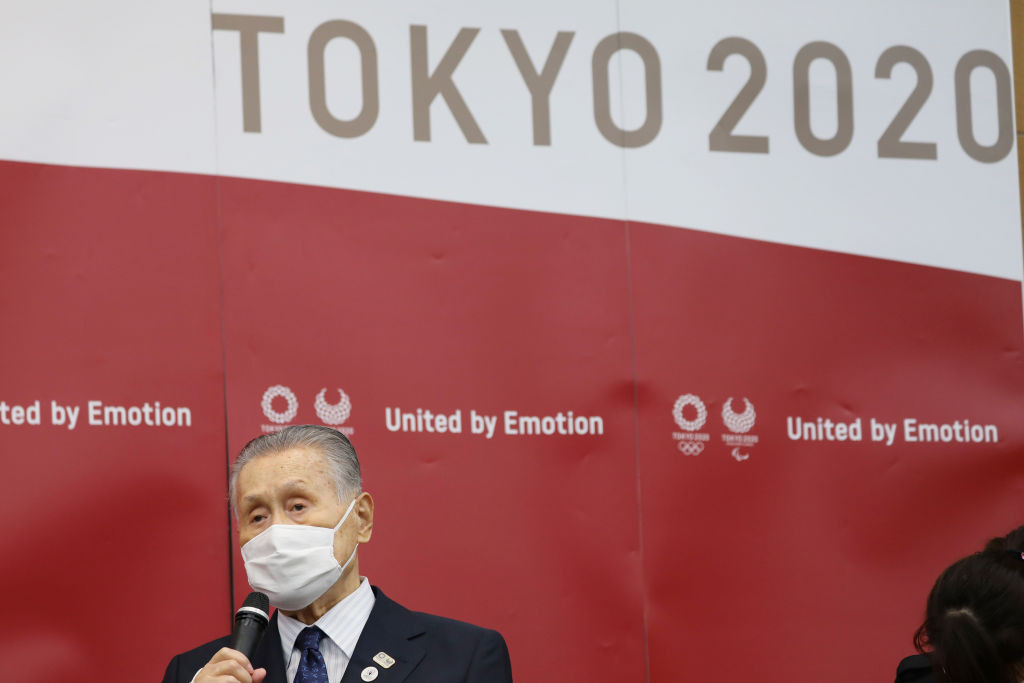
Around "50 to 60" items aimed at simplifying the Tokyo 2020 Olympic and Paralympic Games are set to be approved in the coming weeks, according to Organising Committee chief executive Toshirō Mutō.

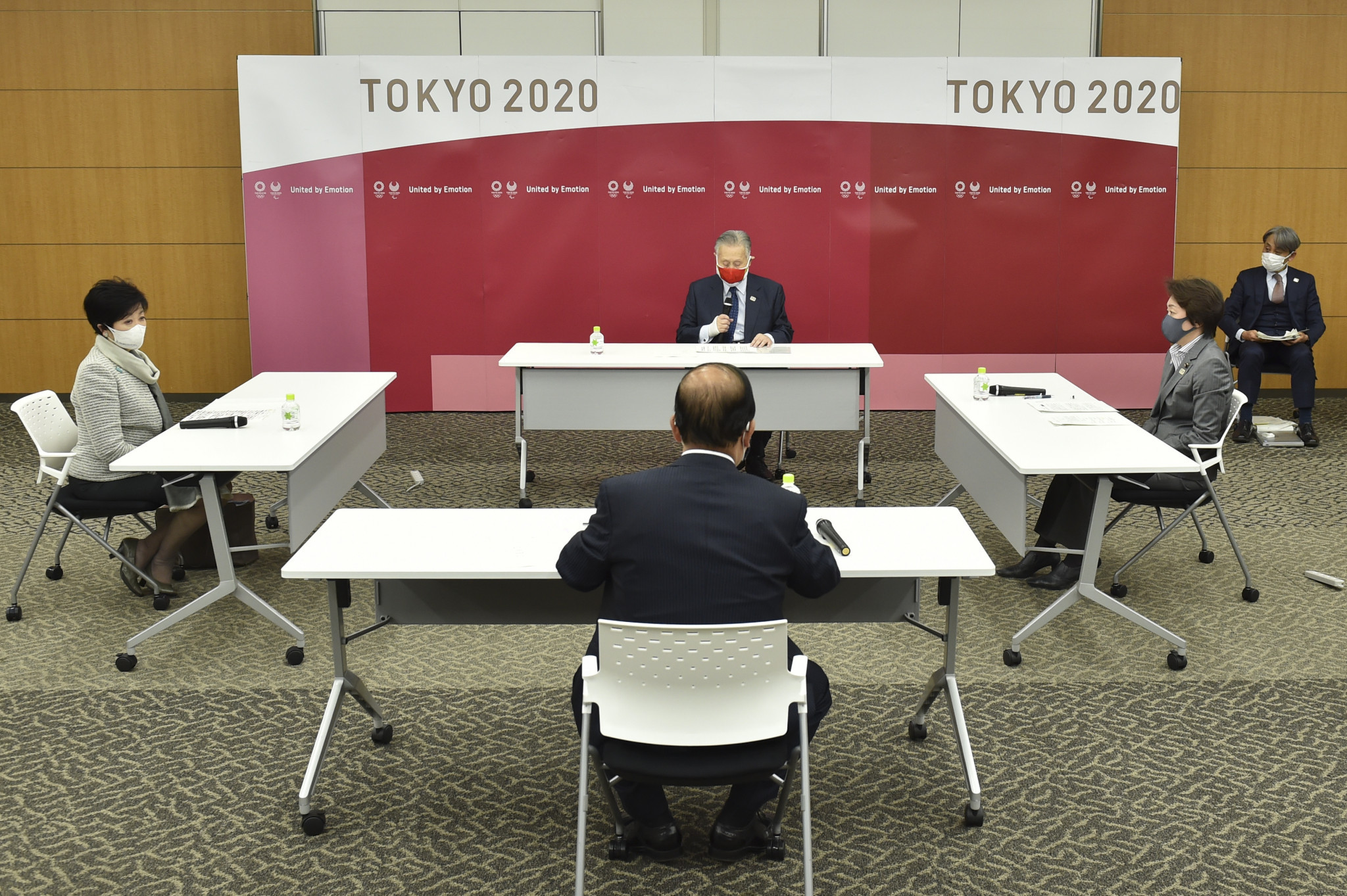
Speaking after the latest meeting of the Tokyo 2020 Executive Board today, Mutō said he expects an agreement on the items will be reached following discussions with the International Olympic Committee (IOC) Coordination Commission on September 24 and 25.

The measures – which target reducing costs and ensuring the safety of athletes and spectators – include the number of people involved in the Games, infrastructure and Ceremonies, Mutō added.

The Tokyo 2020 chief admitted the exact cost of the items would not be available until December.

"We expect to have an agreement on the (50 to 60) items, but the ballpark figure on the reduction won't be available immediately because we need to thoroughly examine the numbers," Mutō said.

Mutō also said not to expect a decision on if or how spectators will be able to attend the Olympics and Paralympics, pushed back to 2021 due to the coronavirus pandemic, by the end of the year.

Organisers have repeatedly stressed that they are including crowds in their planning for the rescheduled Games, but leading officials from both the IOC and Tokyo 2020 have acknowledged holding events without spectators is a possibility.

How fans can attend the Games is set to be the main subject of a meeting of a panel assessing coronavirus countermeasures in November.

"When it comes to the specific numbers and how much of the percentage of total capacity should be allowed, I can't say whether that will be decided by December," Mutō said.

"We need to keep a close eye on the situation with the COVID-19 spread.

"We shouldn't make a decision right before Games time, but definitely we should observe the situation thoroughly."

The first set of COVID-19 countermeasures are set to be revealed by the end of the year, a timeline reiterated by IOC vice-president and Tokyo 2020 Coordination Commission chairman John Coates today.

Border controls, COVID-19 countermeasures at venues, plans for dealing with infected people, pre-Games training camps, rules for public transport and the necessity of an isolation period upon entry into Japan are all being discussed.

"Our decision at the moment is to go ahead," Coates, who recently claimed Tokyo 2020 will take place next year irrespective of the coronavirus pandemic, said.

"What we wait for is to decide what counter-measures we need to go ahead with, to proceed depending on what stage COVID is at.

"The extent of the ceremonies, the extent of the crowd participation, any necessary quarantine when they arrive in Japan.

"All of those things.

"And by the time we get to the end of the year we'll make an assessment on what counter-measures we'll need to apply."

Source

The postponed Tokyo Olympic Games will go ahead next year "with or without Covid", the vice-president of the International Olympic Committee says.

John Coates confirmed to news agency AFP that the Olympics would start on 23 July next year, calling them the "Games that conquered Covid".

They were originally scheduled to start in July 2020, but were postponed due to Covid-19 fears.

The IOC had earlier said they would not delay the Games beyond 2021.

"The Games were going to be their theme, the Reconstruction Games after the devastation of the tsunami," Mr Coates told AFP, referring to 2011 catastrophic earthquake and tsunami in Japan.

"Now very much these will be the Games that conquered Covid, the light at the end of the tunnel."

In July, Tokyo 2020 chief executive Toshiro Muto said it was possible that the Games be held to a "limited" audience, but said they wanted to avoid the possibility of having no spectators at all.

Instead, he added that the Games could potentially "simplify" its opening and closing ceremonies, as well as reduce the number of staff and delegations from each country.

More than 11,000 athletes from around 200 countries were scheduled to take part in the 2020 Games. It is not clear how travel restrictions might impact their participation as Japan's borders are currently largely closed to foreign visitors.

Mr Muto also said a vaccine was not a prerequisite for the Games, though health experts had cast doubt over whether the Games could be held without a vaccine.

"If a vaccine is ready, that will be a benefit, but we're not saying we can't hold the event without it - it's not a precondition," he said.

In April, Games chief Yoshiro Mori said the Tokyo Games would have to be cancelled if there were not held in 2021.

Explaining this decision, IOC President Thomas Bach said: "You cannot forever employ 3,000 to 5,000 people in an organising committee. You cannot every year change the entire sports schedule worldwide of all the major federations."

Before the pandemic, the Games had only ever been cancelled because of war, but never postponed.

Source